TreeBarkId Field Guide
Easy spring Tree Identification Tips for beech trees
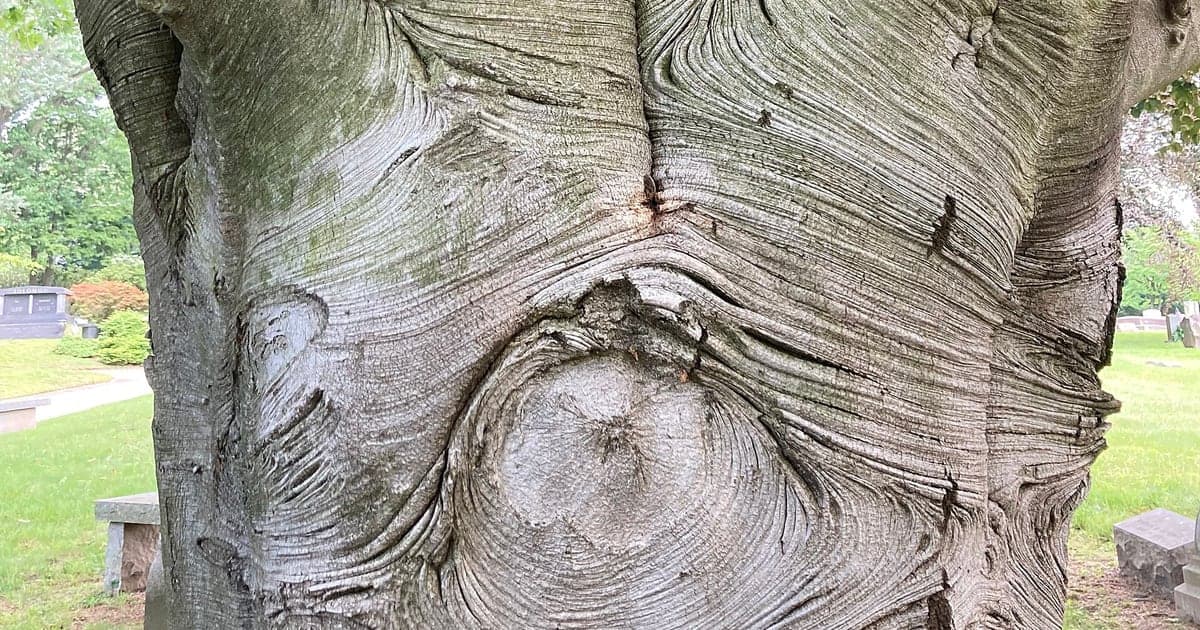
spring changes what stands out first. For beech trees, bark, branching rhythm, and the immediate feel of the site often become more useful than waiting for a perfect leaf clue.
When walking through backyard gardens, pay attention to contrast: rough versus smooth bark, cool versus warm color tone, and whether the trunk looks plated, striped, or softly flaking.
TreeBarkId helps by keeping those clues in one place, so you can move from a quick impression to a steadier decision without losing the feel of the walk.
A short seasonal note after each identification is worth keeping. Over time, those notes become a personal reference for what beech trees look like in different months and conditions.
That habit pays off later too: the more specific your observation language becomes, the easier it is to search your notes and revisit what you learned later.